
How is cannabis used : The various methods
Cannabis can be used in several ways. Depending on the product, it can be smoked, vaporized, vaped or ingested. Each method of use has its advantages and disadvantages.
Inhaling cannabis | Ingesting cannabis | Duration of effects
Inhaling cannabis (flower, ground, pre-rolled, hash, kief, rosin, resin, vaping)
Inhaling cannabis – whether by burning, vaporizing, dabbing or vaping it – is a fast way to feel the effects, which usually take only a few seconds or minutes to appear.
This makes it easier to control the dose (the amount consumed) and the intensity of the effects. The effects usually last one to three hours, not nearly as long as those from ingesting.
Sometimes as little as one puff or toke can produce effects. That’s why we advise starting with a single short puff to avoid any risk of an unpleasant experience (bad trip).
Smoking
A common way to use dried cannabis flowers is to smoke them in a joint. Alternatively, extracts like hash and kief, among others, can be broken into small pieces and smoked with a hand pipe, a water pipe (bong) or similar accessory.
Because hash and kief contain more cannabinoids than dried cannabis, only a very small amount (about the size of a matchhead) should be smoked at a time. These types of made-from-concentrate product are not advised for inexperienced users.
Smoking a joint involves burning the product. Decarboxylation, the process by which cannabinoids are activated by heat, occurs at high temperatures (between 600 and 900 degrees Celsius), which also creates smoke.
Careful! Do not smoke or burn tinctures, sublingual oil or cooking oil.


Vaporizing
Vaporizing involves heating solid cannabis products (ground flowers, hash) or semi-liquid cannabis products (rosin, resin, etc.) to a temperature hot enough to cause some of the cannabinoids to boil and evaporate but not to burn. In vaporizing, decarboxylation occurs at between 160 and 230 degrees Celsius, creating an aerosol instead of smoke.
Some scientific data suggest that, for some users, inhaling from a vaporizer may generate less intense psychoactive effects than from burning ground flowers. However, the lack of smoke does not mean a lack of risk or effects. That is why cannabis should always be used responsibly.
Vaporizing requires an electronic device, called a vaporizer or “dry vape”.
Careful! Do not vaporize decarbed cannabis powder.
Vaping
Vaping cannabis involves heating a liquid extract intended for vaping without burning it. An electronic device, called a vape, is used.
The liquid cannabis extract (rosin, resin, distillate and/or isolate) is contained in a cartridge and heated to between 200 and 300 degrees Celsius, creating an aerosol that can be inhaled.
Because an aerosol is inhaled instead of smoke, vaping is sometimes used as an alternative to smoking by some users. Although the vaping products sold by the SQDC are a lower risk alternative compared to those on the unregulated market, using cannabis is never without risk.
The unregulated market also sells vaping products with artificial flavours, with added nicotine or with a THC level above 30% or unknown. Such products are not sold at the SQDC because they are not allowed under the Cannabis Regulation Act.
Vaping requires an electronic device, called a vape, which usually consists of a battery and a cartridge.
Careful! There are several types of vapes and cartridges, and they’re not necessarily compatible with each other. Always check the compatibility before using.


Dried cannabis (flowers, ground or pre-rolled) and some cannabis extracts (hash, kief, rosin, resin) have no effects unless they have been "activated" by exposure to a high temperature, a process called decarboxylation of cannabinoids. The intensity of the effects may vary from person to person. To avoid overdosing, begin with a small puff of a low-THC product and wait several hours before taking another, if desired.
Accesories used to inhale cannabis
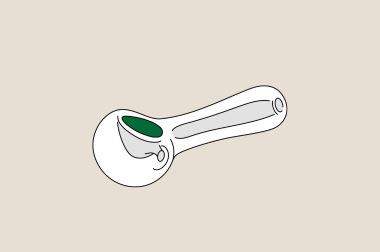
Hand pipe
Easy to use, cannabis pipes are suitable for new users. Learn how to smoke cannabis using a pipe.
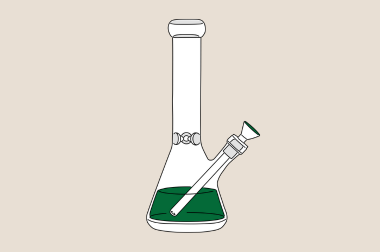
Water pipe
Easy to use, cannabis pipes are suitable for new users. Learn how to smoke cannabis using a pipe.
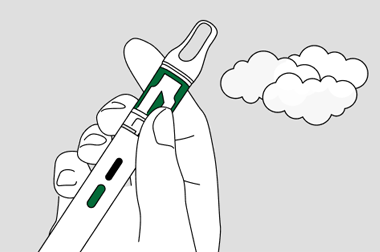
How to vape cannabis: how it works, effects, and ideal temperature
Vaping explained: duration of effects, dosage, vaping temperature and harm reduction. Gain a better understanding of this method of cannabis use.
Ingesting cannabis (read-to-eat, drink, oil, oral strip, spray, capsule, tincture, decarbed powder)
This method of use involves ingesting cannabis – extracts or edibles that contain pre-activated cannabinoids.
However, the onset of effects takes longer and the effects are felt much longer than with inhaled cannabis. That’s why you should be patient and not combine cannabis oil, capsules or edibles with other cannabis products or take a second dose because you think the first has had no effect.
We advise beginning with a small dose, preferably 2.5 mg or less, and waiting until you feel the effects before taking another dose.
Sublingual ingestion (under the tongue)
Sublingual ingestion means placing the product – cannabis oil or a oral strip – under the tongue or against the inside of your cheek until it is absorbed through the mouth’s mucous membranes. It is recommended to dry your mouth as much as possible by swallowing your saliva prior the consumption and avoid drinking and eating for the next 15 to 20 minutes.
Because the cannabinoids are absorbed through the mouth’s mucous membranes, the effects can take 15 to 30 minutes or longer to appear and may last up to 6 hours. These timings are approximate and differ from person to person.
Sublingual ingestion is appropriate for oils, oral sprays, oral strips and tinctures.


Oral ingestion (swallowing)
Oral ingestion simply means swallowing the cannabis product.
Because the cannabinoids go through the digestive system, the effects usually take from 30 to 60 minutes to appear and last up to 8 hours. These timings are approximate and differ from person to person.
Some products, including some concentrates, cooking ingredients and tinctures, can be mixed with other ingredients when preparing a recipe. They can also be added directly to foods before serving (salads, pizzas, main dishes, pastries, etc.).
Appropriate for the following products: edibles, oral sprays, capsules, tinctures, drinks, cooking oils and decarbed cannabis powder.


Edibles require an extra dose of caution because it is hard to know the actual amount of THC that will be absorbed by the body after ingestion. It is advisable to begin with a small amount (2,5mg) of a low-THC product and to wait until the effects are felt before taking more, if desired.
Learn more about ingesting cannabis

Learn more about edible cannabis
Following an amendment in Quebec’s regulations under the Cannabis Act in January 2020, Quebec is following the example of its neighbouring provinces and adding a new product category to its offer: ready-to-eat.

Cannabis beverages: 8 things you should know
Drinking cannabis? Yes, it’s possible! Today, we answer some frequently asked questions about cannabis beverages.

What are oral cannabis strips?
What exactly is an oral strip? How do the strips differ from edibles and beverages, which are also consumed orally? What’s the right way to use these products? Read on! You’ll find answers to these and other questions in this article.
How long do the effects last?
| method of use | first appearance | Peak | duration** |
| Inhaled cannabis (smoking, vaporizing, vaping, dabbing) |
90 seconds to 5 minutes | 15 to 30 minutes | 1 to 3 hours |
| Ingested cannabis – sublingual (under the tongue) (sublingual oil, oral spray, oral strip, decarbed powder) |
15 to 30 minutes | 90 minutes to 2 hours | up to 6 hours and sometimes longer |
| Ingested cannabis – oral (swallowing) (Edibles, oral spray, capsule, tincture, drink, cooking oil, decarbed powder) |
30 to 60 minutes* | 90 minutes to 3 hours | up to 8 hours and sometimes longer |
*The effects of ingested cannabis may take 2 or 3 hours to appear. We strongly advise beginning with a small dose and waiting a few hours before taking more, if desired.
**How long the pleasant and unpleasant effects last can vary depending on the type and strength of the product, the amount consumed, the method of use and the user’s tolerance level.
Other methods of use exist but involve types of products not currently sold at the SQDC (creams, transdermal strips and lozenges, for example).
Choose the right product
It is important to choose a cannabis product and consumption method based on your level of experience, state of health and tolerance for potentially unpleasant effects. For personalized advice, speak with an in-store advisor or see the Buying Guide section.
